How to reply when he makes plans without checking your schedule first
He booked something without asking your availability. Stay polite but clear about what you need going forward.
When someone makes plans and then tells you about them instead of asking first, it signals either thoughtlessness or the assumption that you'll just work around his schedule. This is different from a miscommunication. He had the chance to ask and didn't.
A good reply does two things: it addresses the specific plan (yes, no, or maybe) and it sets a boundary about the process. You're not angry. You're just clear that you need to be consulted before commitments land on your calendar.
The tone matters. You're correcting behavior, not punishing it. That means staying direct without sarcasm, frustration, or long explanations about why this bothers you. Most people don't realize they've done it until someone points it out.
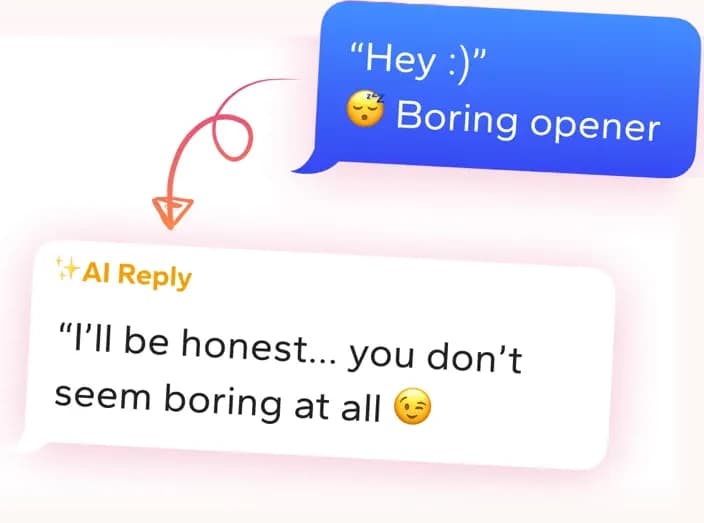
Get replies that sound like you
Screenshot the conversation in WingAI. It reads the vibe and gives you natural replies for this exact situation.
Try for freeRizz AI Screenshot the chat and get the next message for this person.
What unasked planning actually means
Making plans without asking first isn't usually about disrespect. It's often about someone assuming you'll rearrange things for him or not realizing that consulting matters. But the effect is the same: your availability becomes secondary.
Read this as a signal about how he handles decisions. If he does this with big plans, he likely does it with smaller stuff too. Pointing it out now prevents a pattern where you're always accommodating while he decides. It's not about this one concert. It's about whether he sees you as someone whose time he needs to check on.
State your answer, then reset the rule
Your reply needs to do two separate jobs. First, answer the actual question: Can you go or not? Be clear on that part alone. Second, add one sentence that addresses the process. Don't soften it with apologies or lengthy reasoning. Say something like 'Going forward, I need you to check my schedule before booking things' or 'I'd appreciate if you asked before making plans that include me.'
This isn't harsh. It's just explicit. Most people respond well to directness because it removes confusion. He'll know exactly what you need instead of guessing whether you're upset about the concert or the way he did it.
Reply the same day, don't wait to see if he notices
Send your reply within a few hours of getting his message. Waiting longer makes it seem like you're stewing or planning to bring it up in person, which creates tension. A quick, calm response shows you're not upset, just setting a standard.
If he doesn't acknowledge the boundary or keeps making unasked plans after you've said something, that's different. Then you know it's not accidental. But give him one clear chance to adjust. If he does go along with it after that, move on and don't keep score. People change habits when they understand what someone needs.
Why these replies fail
“umm okay but did you think to maybe ask me first? not cool”
It turns into blame instead of a request, and the tone sounds frustrated. He'll get defensive instead of hearing that he needs to ask next time.
“oh sure thanks for asking lol”
Passive aggressive. He might not even recognize this as a complaint, just annoyed sarcasm, so nothing changes.
“I can't actually make it that day but maybe next time you could check with me first before booking things?”
Burying the boundary makes it feel like an afterthought complaint. Lead with what you need, not the schedule conflict.
Common mistakes
- Going silent or distant instead of saying something. He'll interpret that as a yes or assume you're fine with it.
- Agreeing to the plan while mentioning the problem. This trains him to keep doing it because it worked.
- Getting heated about his inconsideration. That turns it into a fight instead of a correction.
- Over-explaining your schedule conflicts. Keep it simple: you weren't asked, that's the issue.
- Saying yes to this one while setting a boundary for 'next time.' Set it now or it won't stick.
Questions people ask
- Should I go to the thing he planned even though he didn't ask first?
- That depends on your actual availability and whether you want to go. Don't punish the plan because of how he booked it. Answer honestly: yes or no. Then address the asking-first part separately. Those are two different conversations.
- What if I say he needs to ask first and he gets defensive?
- Stay calm and don't debate it. You've stated what you need. How he takes it is on him. If he keeps doing it after you've been clear, then you know it's not a misunderstanding, and you can decide if that's something you can live with.
- Is it okay to bring this up in person instead of by text?
- Yes, if the plans are far enough away. In-person conversation can feel less accusatory. But if he's asking for your answer today, reply today via text. You can expand on it later if needed.
- How do I know if this is intentional or just how he is?
- You won't know yet. First boundary will tell you. If he adjusts after you explain what you need, it was thoughtlessness. If he keeps doing it, it's disregard. That information matters for deciding whether this is worth continuing.
What people say after using WingAI
“I'm busy and half the profiles give you almost nothing to work with. WingAI gets me a solid first line fast without me staring at the screen for ten minutes.”
Ralph
“She went cold mid-week and I had no idea what to say. The reply I sent felt natural and she picked the chat back up.”
Marcus T.
“Used it for a couple hours and set up a date the same night. Not even kidding.”
Nikola2214
Get replies that sound like you
Screenshot the conversation in WingAI. It reads the vibe and gives you natural replies for this exact situation.
Try for free