Why he's suddenly texting you short replies and what to do
He used to text back with real sentences and now it's all 'k' and 'lol'. Here is what could be behind it and how to respond without chasing him.
A sudden drop from full replies to one word answers rarely has a single cause. Some people hit a stretch at work or school where their phone becomes a chore. Some are texting you from a couch while half watching a game and answering on autopilot. Some have cooled off and haven't found a graceful way to say so. And some are simply uneven texters whose early burst of enthusiasm was never their normal pace. From your side of the screen these look identical, which is why the shrinking replies feel so loaded.
What you are really after is information, not a perfect comeback. You want to learn whether this is a temporary dip or a lasting change, and you want to learn it without spending a week of emotional energy on guesswork. That means your next message should be easy to send, easy to ignore, and easy to answer well. If it only works when he responds a particular way, you have set yourself up to feel rejected by a shrug.
Timing changes how much weight a dry reply deserves. A short answer at 11 pm after a long day means little. Three days of clipped replies sent at lunchtime, when he is clearly on his phone, means more. Pay attention to whether the dryness began after something specific: you proposed a date, you mentioned something personal, a weekend went quiet, or he mentioned a stressful week. A change that follows an event is usually a reaction to that event. A change with no trigger is harder to read and deserves patience before you decide what it means.
The usual backfires are predictable. Sending a long, warm message to make up the difference teaches him that thin effort still gets rich attention. Going curt in return can look like a petty scoreboard and gives him a tidy excuse to let things end. Asking directly whether something is wrong invites a reassuring "nothing, just tired" that closes the topic while changing nothing. Stacking several questions in one text turns the conversation into an interview he has to complete.
When you read his response, look at what he adds rather than what he removes. A reply with a detail, a follow up question, or a mention of plans tells you the lull was circumstantial. A reply that stays minimal after you asked something open, or that takes longer each time, tells you more than any single message. Weigh a few exchanges, not one. And notice your own pattern too. If you find yourself rereading his texts for hidden meaning, the decision you need to make is about your time, not his motives.
Telling a busy week from a cooldown
Busy people still leave traces. He mentions the deadline, the trip, the sick relative, or he sends a quick note saying he will catch up later. A cooldown tends to arrive without any explanation and without any effort to make up for it. Compare his short replies against what he is doing elsewhere. If he posts, answers other people quickly, or stays active in the evenings, a packed schedule explains less. Also check the shape of the change. A gradual slide over several weeks points to fading interest. An abrupt drop right after a milestone, like a first kiss or a plan to meet, can point to nerves or second thoughts. Neither is proof, but the pattern gives you a better guess than the single message does.
Writing a reply that gives him room
Aim for a message that stands on its own even if he never answers. Share a small, specific detail from your day, or ask about something he mentioned earlier that deserves more than a yes or no. Keep it to a sentence or two. Skip any wording that hints you noticed a decline, since that hands him a problem to manage. If he is just swamped, he can pick it up when he has a free minute and you have lost nothing. If he is pulling back, a light message with no pressure attached lets him show it plainly. Either way you have stopped doing extra work, and the next move is his.
Setting your own deadline
Decide in advance what would count as enough. A reply with some life in it within a few days is a fair bar, since people do have bad weeks. If it arrives, stay warm and watch whether it lasts. If days pass, or the replies stay clipped, stop initiating and spend your attention elsewhere. Making this call before you are anxious keeps you from lowering the bar each time you check your phone. It also stops the habit of sending a quiet little nudge on day four. You are not punishing him by stepping back. You are simply declining to keep a one sided conversation alive, and what you do afterward is up to you.
Why these replies fail
“ok I'll just stop texting then since you clearly don't care”
It turns a fixable lull into an ultimatum sent in anger, and it hands him an easy reason to agree and leave.
“haha yeah, lol, same, good for you”
Copying his lazy rhythm gives him nothing to respond to, so the thread dies and you learn nothing about whether he is busy or fading.
“I wrote you that long thing about my week and all I got back was 'cool', what's going on??”
Pointing at his one word reply as a grievance makes him defensive and shifts the topic from your week to his behaviour.
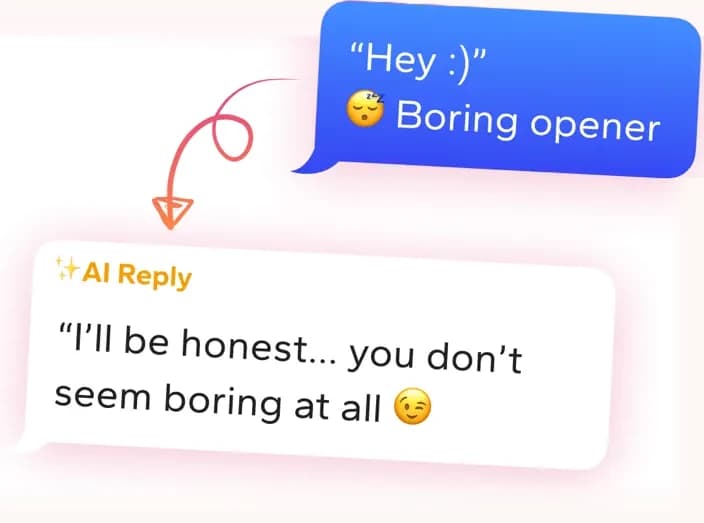
Get replies that sound like you
Screenshot the conversation in WingAI. It reads the vibe and gives you natural replies for this exact situation.
Try for freeTexting AI Screenshot the thread on your phone and get the next text.
Questions people ask
- Why did he go from long texts to one word answers?
- Usually his attention or effort changed, but the reason varies. He may be overloaded, distracted, or losing interest, or his early enthusiasm may have been a burst rather than his normal pace. Look at timing and whether he shows effort elsewhere, such as making plans, before assuming the worst.
- Should I double text if he leaves me on read?
- Usually no, at least not right away. One light, low pressure message is reasonable if a few days have passed, but repeated nudges tell him you will keep carrying the conversation alone. Give it time, and let his reply, or the lack of one, show you where things stand.
- Is dry texting a sign he has lost interest?
- Sometimes, but not always. A few short replies can come from stress, a bad day, or plain texting habits. A steady decline in effort, especially paired with fewer plans and slower replies, makes lost interest more likely. One clipped message alone is not enough to conclude anything.
- How long should I wait before moving on?
- Pick a window that feels fair to you, often a few days after a relaxed message. If he returns with real effort, continue and watch for consistency. If he stays minimal or silent, stop initiating. You do not need a formal ending to decide the conversation is not worth your energy.
What users say
“I was skeptical at first. Then I tried it on a dry chat and the replies actually sounded like me, not a chatbot.”
Mazoonx
“I overthink every text. Having three options and picking the one that sounds like me cut that spiral short.”
Sam R.
Common mistakes
- Sending a long, enthusiastic message to compensate for his short ones, which teaches him that minimal effort still earns plenty of attention.
- Analysing every one word reply with friends for hours instead of watching whether the pattern lasts across several days.
- Asking whether something is wrong after only a day or two of short texts, which forces a defensive answer before you have enough information.
- Moving the goalposts after each tiny improvement, treating one warm reply as proof everything is back to normal.
Get replies that sound like you
Screenshot the conversation in WingAI. It reads the vibe and gives you natural replies for this exact situation.
Try for free