What it means when she switches from Snapchat to text
She moved the chat from Snapchat to text. Here is what that shift can mean, what it can't prove, and how to respond without overreacting.
A move from Snapchat to texting is a small change with a few possible explanations, and none of them is guaranteed. Snapchat conversations are built to evaporate. Streaks, quick photos and disappearing messages make it easy to stay in touch without ever committing to anything. A phone number is different. It sits in her contacts under your name, it can be searched later, and it works whether or not either of you opens an app. Handing it over, or asking for yours, means she is comfortable with a more durable line to you. That is a reasonable thing to notice, but it is one data point, not a verdict.
Plenty of ordinary reasons also produce this switch. Maybe she barely opens Snapchat and checks iMessage all day. Maybe her friends tease her about the streak. Maybe she wants to send a long message without it vanishing, or she is about to travel and needs something that works on bad wifi. Think back to how the switch happened. If she offered her number unprompted, that carries more weight than if you asked and she went along with it. If the conversation had been warming up for weeks, the move fits a pattern. If it came out of nowhere after a few stray snaps, be more cautious about reading into it.
Your aim right now is to keep the conversation easy and give it somewhere to go. Texting removes the cover that Snapchat provided. A blank thread with no filters, no timer and a visible history makes people self-conscious, and that applies to both of you. So the first few messages matter less for what they say than for how they feel. If your Snapchat banter was dry and quick, keep it dry and quick. Do not suddenly write paragraphs, add a stack of emojis, or treat the new channel as a formal occasion.
Timing works differently here too. On Snapchat, a reply hours later barely registers because the app expects bursts. Texting carries a slightly higher expectation of response, though not by much. Answering within a few hours reads as normal interest. Answering in thirty seconds every time, day and night, starts to look like you have nothing else going on. Answering two days later makes the move feel wasted. Aim for the pace you would use with a friend you like, and let her pace set the ceiling.
The usual ways this goes wrong are predictable. People announce that they noticed the switch, ask why she did it, or celebrate it out loud, and each of those turns a casual choice into a topic she now has to defend. Others over-text to prove enthusiasm and end up sending four messages into silence. The real information comes after the move. Does she ask questions back? Does she bring up something from earlier in the week? Does she send things that need no answer, like a photo or a random thought? Those behaviors tell you far more than the platform change ever could. If she texts once and drifts off, that is useful information too, and it does not need a rescue attempt.
Check how the switch happened
Before reading anything into it, replay the moment. If she dropped her number without being asked, or suggested texting because Snapchat felt clunky, she chose the move herself. If you asked and she said sure, she agreed, which is friendlier than refusing but less telling. Also look at what came before. Two weeks of long back and forth replies followed by a number is a natural step. A few streak photos followed by a number could just mean she wanted a simpler way to send you a link. Weigh the move against the rest of how she has behaved with you, and treat it as one clue sitting next to the others.
Keep your first text low pressure
Your opening message in the new thread should sound like the person she was chatting with on Snapchat. If you used to trade sarcastic one liners about her roommate's cooking, pick that thread back up. A callback to something specific shows you were paying attention and spares her from starting over with a stranger. Skip the long intro, skip the compliment about how glad you are to have her number, and skip any comment on the platform change itself. One short message with a hook she can answer easily is enough. If it lands, she will run with it.
Read the first few days honestly
Give the new thread a few days before judging it. Look at who sends the first message, who asks the questions, and whether her replies carry detail or just acknowledgments. A person who is interested tends to volunteer things, like what she did that morning or a complaint about her commute. A person being polite answers exactly what you asked and stops. If she goes quiet for a day, that is normal life. If she goes quiet for a week after one exchange, the switch did not mean what you hoped. Adjust your expectations without sending a chase message.
Why these don't work
“Finally! I was hoping you'd text me, this is so much better than Snap haha”
It tells her the platform change was a big deal to you, which turns her casual move into pressure to live up to your excitement.
“Wait, why did you switch to text? Did something happen on Snap?”
Questioning a change she made without explanation forces her to justify a harmless choice and makes the new thread feel like an interview.
“Hey, so glad we're here now. Tell me everything about yourself, I want to know what you're really like”
The jump from quick Snapchat banter to a heavy, open ended request feels like a sudden demand for intimacy she never offered.
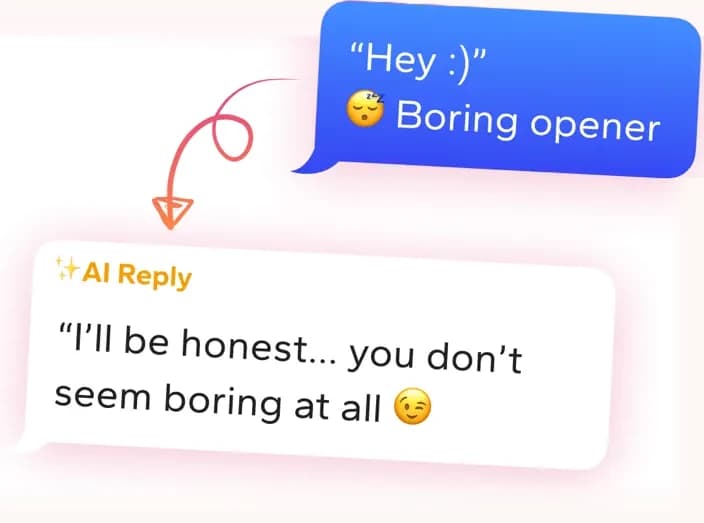
Get replies that sound like you
Screenshot the conversation in WingAI. It reads the vibe and gives you natural replies for this exact situation.
Try for freePeople also ask
- Does it mean she likes me if she moves from Snapchat to text?
- Not necessarily. It shows she is comfortable with a more lasting line of contact, which is a mild positive. But some people simply use Snapchat less than texting. Judge her interest by what happens next: whether she asks questions, keeps threads going, and brings up things from your earlier chats.
- Should I ask why she wants to text instead of snap?
- No. Asking turns a casual choice into something she has to explain, and most people have a dull answer like preferring texts. Treat the move as normal and keep the conversation going. If there was a particular reason, she will likely mention it herself without being prompted.
- How fast should I reply when she first texts me?
- Within a few hours is a comfortable range for most situations. You do not need to answer instantly, and you should not leave it overnight unless you are busy. Match the speed she uses. If she answers within minutes, you can tighten up. If she takes half a day, relax your own pace.
- What if she texts once and then stops replying?
- Send one light follow up a few days later that is easy to answer, such as a question tied to something she mentioned. If that gets no response, let it rest. She may be busy, or the interest may have faded. Repeated messages after silence rarely change which of those it is.
It doesn't sound like a bot
“I was skeptical at first. Then I tried it on a dry chat and the replies actually sounded like me, not a chatbot.”
Mazoonx
“She went cold mid-week and I had no idea what to say. The reply I sent felt natural and she picked the chat back up.”
Marcus T.
“I overthink every text. Having three options and picking the one that sounds like me cut that spiral short.”
Sam R.
Pitfalls to avoid
- Commenting on the switch itself, either by celebrating it or asking about it, which makes a small choice feel loaded.
- Changing your tone in the new thread, going more formal or more intense than you were on Snapchat.
- Sending several messages in a row after she has gone quiet, instead of one easy follow up and then patience.
Get replies that sound like you
Screenshot the conversation in WingAI. It reads the vibe and gives you natural replies for this exact situation.
Try for free