How to reach out after a disagreement when she's gone silent
She stopped texting after you two clashed. Here's how to know if you should contact her and what your message needs to do.
After a disagreement, silence usually means she's hurt, angry, or testing whether you'll chase. The length of that silence tells you something. A few hours is cooling off. A full day or more suggests she's waiting to see your move, or she's done.
Reaching out is almost always the right call, but timing and tone matter more than you think. A good message acknowledges something specific went wrong, shows you're not minimizing her side, and opens a path back without begging. It's not an apology template you send robotically. It's you signaling you actually care about fixing this, not just getting her back to reply.
The biggest mistake is waiting too long or sending something that sounds like you're just trying to get her to text you again. She'll feel that. A real message lands because it says something true about what happened between you two.
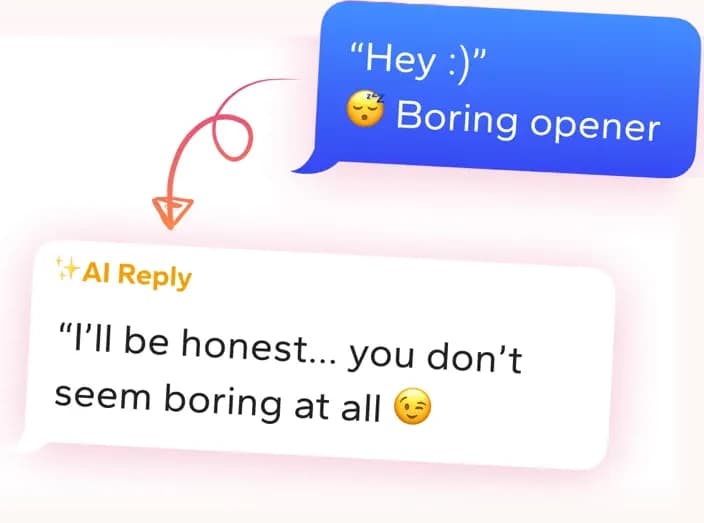
Get replies that sound like you
Screenshot the conversation in WingAI. It reads the vibe and gives you natural replies for this exact situation.
Try for freeTexting AI Screenshot the thread on your phone and get the next text.
Why she went quiet and what that timing means
Silence after a fight is not the same as ghosting. She's still thinking about you, but she's hurt or angry enough to stop engaging. Hours of silence means she needs space to cool down. Twelve hours or more usually means she's waiting to see if you care enough to reach out first.
The longer the silence stretches, the higher the bar for your message. After a day, a weak or half-hearted text won't cut it. She's already in her head about whether this matters to you. Silence is a test, even if she doesn't realize she's giving one. Not reaching out at all tells her you either don't care or you're too proud. Both read as a sign she should move on.
The specific moves your message must make
Your message needs to do two things that seem simple but most people skip. First, name something specific about what happened and own a part of it. Not a generic sorry. Show you actually know what went wrong and that you think about her side, not just your own feelings.
Second, keep it short and leave room for her to respond without pressure. No question that demands she justify herself. No long explanation of why you acted that way. The point is to signal you're here and you want to talk about it, not to convince her you were right or that she should forgive you instantly.
Send it soon, but not in a panic spiral
Wait a few hours if the disagreement just happened, but not a full day. Sending something within 12 hours of the last message shows you care without looking desperate. After 24 hours, the risk rises that she thinks you've moved on or don't think it was serious.
If she doesn't reply within a few hours of your message, resist the urge to send another one. Give her at least 24 hours before you decide she's truly done. If three days pass with silence after your message, stop texting. At that point she's made her choice and more from you just pushes her further away. The time to reach out has passed.
Why these replies fail
“I'm sorry you're upset with me. Can we talk about this?”
It centers your apology instead of acknowledging what you did, and the question puts the work on her to explain her feelings.
“Look, I didn't mean to upset you. I was just stressed about work. We're good right?”
You're explaining your behavior instead of taking real responsibility, and you're asking her to reassure you, which flips who's supposed to be hurt here.
“I hate this. I hate us fighting. Just talk to me please.”
It's all about how you feel, not about her or what actually went wrong between you two.
Common mistakes
- Sending a long essay apology when a short, direct acknowledgment works better
- Pretending the disagreement didn't happen or minimizing why she's upset
- Asking her to explain her feelings instead of taking the first step yourself
- Waiting more than 24 hours, which reads as you not caring enough to fix it
- Texting late at night when she's less likely to engage seriously
Questions people ask
- How long should I wait before texting her after a disagreement?
- A few hours of silence is normal. Wait until you've both cooled down, but send a message within 12 hours of the last text. Much longer than that and she'll assume you don't care enough to fix it. The pause shows respect for the moment, not indifference.
- What if I don't actually think I did anything wrong?
- Disagreements have two sides. Even if you think she overreacted, there's something you could have handled better, whether it's your tone, timing, or how you responded. Finding that real thing to acknowledge will work better than defending your position. Reaching out means meeting her halfway first.
- Should I ask her to call instead of texting?
- Only if you two usually call. Most of the time a text is better here because it gives her space to think before responding. A call request can feel like pressure when she's already upset. Text first, and if that goes well, you can move to a call to finish the conversation.
- How many times should I reach out if she doesn't respond?
- Once. Send one solid message and wait 24 hours. If she doesn't reply, one more message after another full day is the absolute limit. After that, you're chasing. More messages after she's stayed silent that long will only push her away.
What people say after using WingAI
“I overthink every text. Having three options and picking the one that sounds like me cut that spiral short.”
Sam R.
“Used it for a couple hours and set up a date the same night. Not even kidding.”
Nikola2214
“She went cold mid-week and I had no idea what to say. The reply I sent felt natural and she picked the chat back up.”
Marcus T.
Get replies that sound like you
Screenshot the conversation in WingAI. It reads the vibe and gives you natural replies for this exact situation.
Try for free