Should you reach out if they said they'd text and didn't
They promised to text you back but went silent. Here's how to read what happened and whether to send a message.
When someone says they'll text you and then doesn't, it usually means they got busy and forgot, or they're not interested enough to follow through. The silence itself is the message. Your job isn't to figure out which one it is. Your job is to decide if a low-pressure message makes sense for you.
A good reach-out here doesn't chase them or ask for explanations. It resets the interaction to something simple and easy. You're essentially giving them an off-ramp where they can either engage or not without feeling guilty.
Timing matters more than wording. If it's been 2-3 days of radio silence, a casual message can work. If it's been a week or longer, sending one is mostly about closure for you, not rekindling anything.
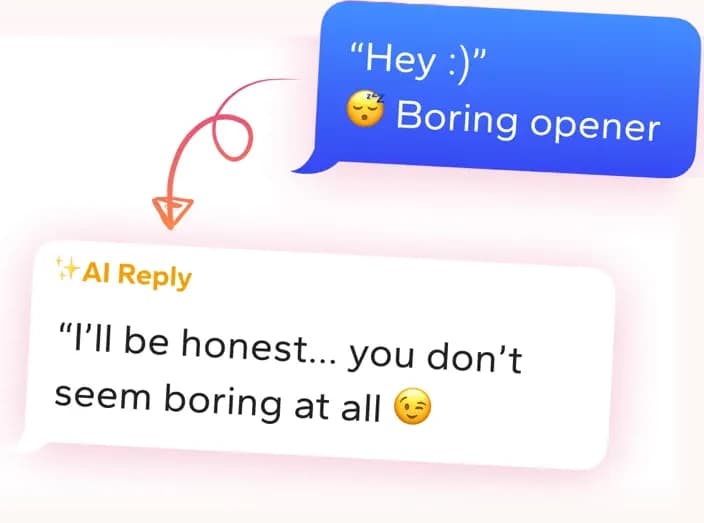
Get replies that sound like you
Screenshot the conversation in WingAI. It reads the vibe and gives you natural replies for this exact situation.
Try for freeRizz AI Screenshot the chat and get the next message for this person.
The difference between forgetting and ghosting
If it's been less than 48 hours, forgetfulness is still in play. Life does get chaotic. After 72 hours with no message, you're dealing with either disinterest or someone who isn't great at follow-through. Neither of those gets better with a guilt-trip text from you.
The person who says they'll text and means it will text within a day or two, even if it's a quick five-word message. The person who doesn't message in that window has deprioritized you, and that's information. You can't force it back up their list.
How to write a message that doesn't beg for a response
A good message here does two things at once. It shows you're still interested, but it doesn't put them in the uncomfortable position of having to explain themselves or promise again. The move is to introduce something specific and low-stakes. Ask them something about a shared interest. Reference something they mentioned. Make it easy for them to reply with a real response instead of an apology.
Avoid anything that says 'I'm waiting for you' or 'where did you go.' Those messages make them feel bad, and people who feel bad tend to stay silent longer. You want the opposite. Make them feel like you're moving forward and they can hop back in anytime.
Wait two days, then send one message, then move on
Give it at least 48 hours before you message. If you're thinking about it after 24 hours, wait anyway. At the 72-hour mark or beyond, you're free to send something, but know that you're doing it for closure, not because it'll change the outcome.
Send one message. Not two. If they don't respond in 3-4 days, that's your answer. Don't follow up. Don't send a 'hey, just checking in again' message. That's the point where you've given them the chance and they've chosen not to take it. Moving on isn't giving up. It's respecting what they're telling you with their silence.
Why these replies fail
“You said you'd text me and never did. Not cool. Can we talk about what happened?”
This calls out their failure and demands a conversation about it, which puts them on the defensive and makes ghosting feel easier than replying.
“Hey! I know you're probably really busy (no worries at all!) but I was wondering if maybe you had time to chat sometime soon? No pressure though!”
The apologizing and over-explaining makes you look like you're begging for scraps, which flips the power dynamic and makes them less likely to engage.
“Yo just wanted to check in, haven't heard from you in a minute. Everything good?”
This is too vague and too soft. It doesn't give them a concrete reason to reply and it reads like you're fishing for attention.
Common mistakes
- Calling out the broken promise directly, which makes them defensive instead of receptive
- Over-explaining yourself or apologizing for following up, which reads as needy
- Sending something that requires a long or thoughtful answer when they're clearly not in the headspace
- Waiting too long to message, so the moment has passed and it feels random
- Sending multiple messages in a row when the first one gets no response
Questions people ask
- How long should I actually wait before reaching out?
- Wait at least 48 hours. If it's been 3+ days, you can message but understand you're likely not going to get the response you want. If it's been a week, the message is more for you than them. One message, then you're done.
- What if they're just bad at texting and got really busy?
- If they're into you, they'll find five seconds to send a text, even a short one, within a couple of days. Busy people still text back because it matters to them. If someone's too busy to send any message, they're too busy to date you right now.
- Should I bring up that they didn't text like they said?
- No. Mentioning the broken promise puts them in a defensive position and turns your message into a complaint instead of a connection. Skip the callout and just start fresh with something simple.
- What if I send one message and they still don't reply?
- That's your answer. Don't send a follow-up. No 'just checking in again' or 'let me know when you're free.' One message and silence means they're not interested. Respect that and move your energy elsewhere.
What people say after using WingAI
“I overthink every text. Having three options and picking the one that sounds like me cut that spiral short.”
Sam R.
“I always freeze on the first sentence. This gets me past that blank box so I actually hit send.”
joejoe4567
“Used it for a couple hours and set up a date the same night. Not even kidding.”
Nikola2214
Get replies that sound like you
Screenshot the conversation in WingAI. It reads the vibe and gives you natural replies for this exact situation.
Try for free