How to text someone who's angry at you
Start a conversation with someone upset at you. Read their anger correctly, own what matters, and know when to press send.
When someone is angry at you, the gap between silence and a reply feels impossible. A text might make it worse. But doing nothing guarantees nothing changes. The anger is information. It tells you what they need to hear before a conversation can happen.
A good reply doesn't fix the situation. It signals that you see why they're upset, takes responsibility for your part without deflecting, and asks for the chance to talk in a way that respects their time and mood. It's short. It doesn't overshell. It doesn't make the anger about you.
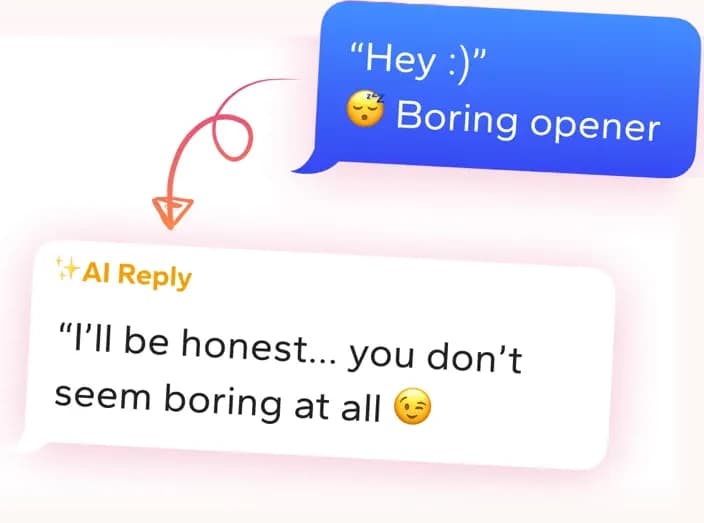
Get replies that sound like you
Screenshot the conversation in WingAI. It reads the vibe and gives you natural replies for this exact situation.
Try for freeRizz AI Screenshot the chat and get the next message for this person.
Angry silence is different from cold silence
Anger means they care enough to tell you something is wrong. Cold silence means they've already checked out. When someone is visibly angry, they're still in the game. They want you to understand the damage. Read whether they're telling you directly (a message, a tone shift) or showing it through distance. Direct anger gives you a window to respond. You need to move fast enough to catch it. Once anger cools into indifference, a text becomes much harder to land.
Say what you did, take the hit, ask to fix it
Your reply has three jobs. First, name the specific thing you did that hurt them. Not a general apology. Not "if you felt." What you actually did. Second, acknowledge that it matters. Don't minimize or add nuance. Third, ask for a chance to talk when they're ready, not on your timeline. You're not asking them to forgive you in the text. You're asking for five minutes to have a real conversation. The tone matters too. Not casual. Not overly formal. Just direct and respectful of their time.
Send it within a few hours, then let them breathe
Send your reply the same day if possible. Waiting overnight looks like you needed time to decide if they matter. Keep it to one message. Do not follow up immediately if they don't reply. Anger needs space to settle before someone can hear you. If they reply, respond quickly. If they don't reply within 24 hours, wait another day before you try again. If there's still silence after two attempts, stop. You've shown up. Pushing further feels like pressure, not care. Let them come to you when they're ready to actually talk.
Why these replies fail
“Hey, I think you overreacted a bit. I didn't mean it to come out that way. Can we just talk about this?”
It centers your intention instead of their experience and suggests they're the problem for reacting.
“I'm sorry you felt hurt by what I said. Let me explain my side because I think there's been a misunderstanding.”
The apology is conditional on their feelings, and jumping to explanation makes it clear you're defending yourself.
“Look, I said something dumb in front of your coworkers and it made you look bad. I know that sucks and I'm sorry. Can we grab a drink and sort it out?”
It names the problem well but then softens it with "dumb" and rushes into a social plan before they're ready to be around you.
Common mistakes
- Leading with your side of the story or context. They don't want to hear why you did it yet.
- Apologizing without naming what you did. A blank sorry feels defensive.
- Asking them to get over it or move on. They set the pace, not you.
- Writing a wall of text. Length reads as you caring more about being heard than about them.
- Waiting too long to reply. More than a few hours and it looks like you don't take it seriously.
Questions people ask
- How long should I wait before reaching out to someone who's angry?
- Don't wait more than a few hours the same day. If you wait overnight, you risk looking like you didn't take it seriously or that you needed time to decide if they mattered. Send your reply while the situation is still real to both of you.
- Should I apologize right away or explain what happened first?
- Apologize and name what you did first. Explanation comes in conversation, not in text. Right now you're proving you understand why they're upset. That's the whole job of this message. Leave the context for when you actually talk.
- What if they don't reply to my text?
- Wait at least 24 hours before sending anything else. Silence after one attempt is not rejection. They might need time to cool down, or they might be deciding if they want to engage. A second message after a full day is fair. After that, stop. You've done your part.
- How do I know if I should just let it go instead of texting?
- If you caused the anger, you owe them a reply. Letting it go is only an option if you believe the relationship doesn't actually matter. Otherwise, radio silence confirms to them that you don't care enough to face it. Show up.
What people say after using WingAI
“I was skeptical at first. Then I tried it on a dry chat and the replies actually sounded like me, not a chatbot.”
Mazoonx
“I overthink every text. Having three options and picking the one that sounds like me cut that spiral short.”
Sam R.
“She went cold mid-week and I had no idea what to say. The reply I sent felt natural and she picked the chat back up.”
Marcus T.
Get replies that sound like you
Screenshot the conversation in WingAI. It reads the vibe and gives you natural replies for this exact situation.
Try for free