How to respond when they apologize for being distant
Learn how to reply when someone apologizes for pulling back. Accept it gracefully, clarify what you need, and move forward without reopening old wounds.
When someone apologizes for being distant, they're signaling they noticed the gap and want to repair it. This is usually a good sign, but the apology alone doesn't reset anything. Your job is to accept it without over-explaining, show you're still interested, and set a clear tone for what comes next.
A strong reply closes the apology loop so you're not stuck relitigating what went wrong. It answers whether you're ready to move forward. It also puts a light demand on them to actually show up differently. You're not punishing them or pretending nothing happened. You're just not letting the apology do all the work.
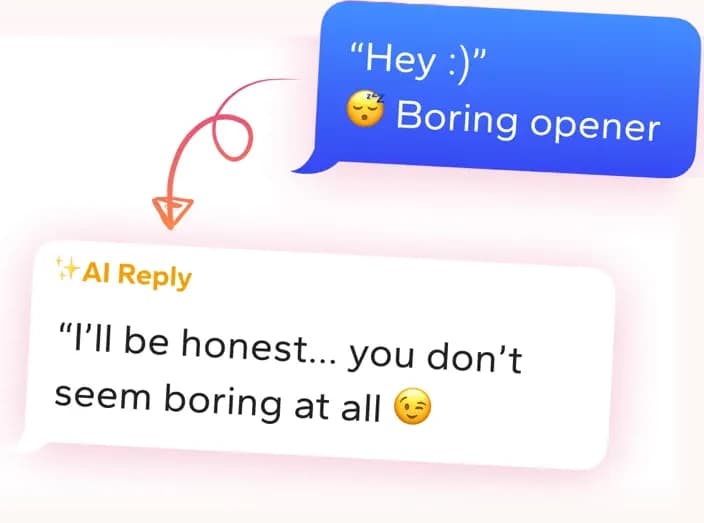
Get replies that sound like you
Screenshot the conversation in WingAI. It reads the vibe and gives you natural replies for this exact situation.
Try for freeRizz AI Screenshot the chat and get the next message for this person.
Distance followed by an apology usually means something changed on their end
They got busy, they got scared, they had other drama, or they weren't sure about you and needed space. The apology tells you they realized the distance wasn't working and they want to fix it. That's real information. But it doesn't tell you whether they've actually figured out what caused it or if they'll just do it again in two weeks.
Don't assume the apology means the problem is solved. It means they're ready to try. The next few days will show you more than the apology itself. Pay attention to whether they actually follow through with different behavior, not just better words.
Accept it, state you're in, then move to the next thing
Your reply needs to do two moves. First, accept the apology without interrogating it. Don't say 'why did you do that' or 'I was so worried'. That pulls you back into the problem. Second, tell them you're still interested and ready to move forward. Short and straightforward works better than reassuring them everything is okay. Third, respond to them with an actual message or question that requires them to show up and engage. Don't just say 'cool, let's keep talking'. Give them something to reply to so you see if they actually mean it.
Wait one day before you ramp things back up
Reply to the apology within a few hours so you're not playing games yourself. But after they reply to you, don't immediately go back to constant texting or asking to hang out. Let the next 24 to 48 hours tell you if they're actually back in or if this was just a 'I felt bad' moment. If they're distant again after the apology, that's a pattern and worth noticing.
If they go silent after you reply, give it three to five days before you consider the apology a false reset. You're not chasing or double-texting here. You made your move. Now you watch what they do.
Why these replies fail
“Don't worry about it, I wasn't even bothered! Let's just move past it and talk about something fun.”
Pretending you weren't affected teaches them the distancing didn't matter and removes any real consequence.
“Yeah you should be sorry. Do you have any idea how much that hurt? Why would you even do that?”
This turns their olive branch into a trial, making them defend themselves instead of actually reconnect.
“OK cool thanks for saying that. Hit me up when you want to hang soon.”
Too passive. You're not confirming you're actually interested, and you're putting the next move entirely on them again.
Common mistakes
- Over-accepting and flooding back with your full attention as if nothing happened, which teaches them distancing works
- Listing everything they did wrong, turning their apology into a fight you've been waiting to have
- Saying 'it's fine' when it's not, or apologizing back when you didn't do anything wrong
- Going cold or distant yourself as a test to see if they'll chase, which just repeats the cycle
- Asking too many questions about why they pulled back, making them defend themselves instead of move forward
Questions people ask
- Should I bring up why they were distant in the first place?
- Not in your first reply. If they offer an explanation, you can acknowledge it. But asking 'why did you pull back' forces them into defensive mode when you should be testing whether they actually show up differently. Save that conversation for later if the distancing becomes a real pattern.
- What if I'm not actually ready to move forward yet?
- Say so directly. You can accept their apology without jumping back in. Something like 'I appreciate that, I'm just working through some stuff right now' is honest and clear. Don't pretend to be ready if you're not. They don't get to decide your timeline.
- How long should I wait before deciding this is a real reset versus a fake apology?
- Three to five days of them being consistently engaged tells you more than the apology itself. One day of effort followed by silence again is a pattern. If they disappear after apologizing, that's information. Most people either show up differently or don't. You'll know pretty quick.
- Is it okay to not fully let this go and to stay a little guarded?
- Yes. Accepting an apology doesn't mean forgetting they pulled back. It means you're moving forward without relitigating it. You can absolutely stay aware and watch to see if this happens again. That's not being cold, it's being realistic.
What people say after using WingAI
“I was skeptical at first. Then I tried it on a dry chat and the replies actually sounded like me, not a chatbot.”
Mazoonx
“I overthink every text. Having three options and picking the one that sounds like me cut that spiral short.”
Sam R.
“I always freeze on the first sentence. This gets me past that blank box so I actually hit send.”
joejoe4567
Get replies that sound like you
Screenshot the conversation in WingAI. It reads the vibe and gives you natural replies for this exact situation.
Try for free