How to respond when someone only texts you for favors
Set a boundary with your reply. Text back in a way that shows you see the pattern and won't be an on-call resource.
When someone reaches out only when they need something, they've already decided what your role is. They text you like a utility rather than a person they want to know. This pattern means they either don't see you as a priority or they're comfortable using you when it suits them.
A good reply does two jobs at once. It answers what they asked, or it doesn't, while making clear that access to you has a price. That price is usually reciprocal interest, effort, or at least an acknowledgment of what's happening. You're signaling that the next text should come from somewhere different.
Your reply will either shift things or confirm it's not worth continuing. Either way, you get your answer. If they only want your help, they'll disappear or reluctantly try harder. If they actually liked you, this is the nudge that wakes them up.
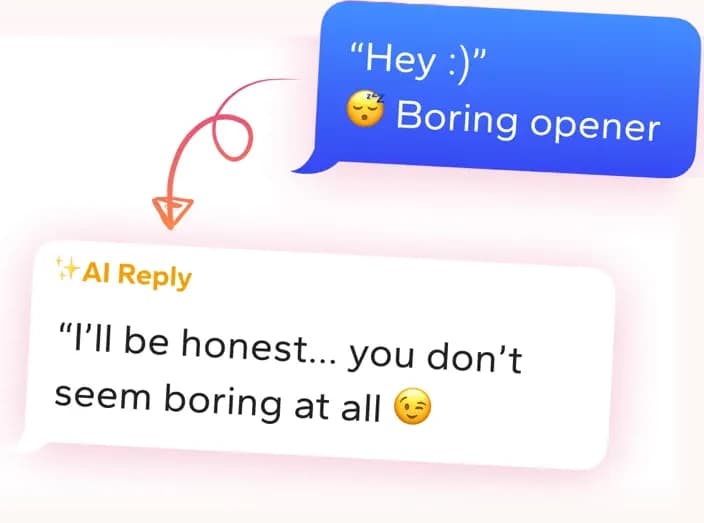
Get replies that sound like you
Screenshot the conversation in WingAI. It reads the vibe and gives you natural replies for this exact situation.
Try for freeRizz AI Screenshot the chat and get the next message for this person.
The difference between a check-in and an ask
Someone who only texts for favors has a specific rhythm. They go silent, then reappear with a request. No 'How are you?' No 'Been thinking about you.' Just need, need, need. This tells you they don't maintain the friendship outside of what they can get from it. They usually don't offer anything back either, not even a beer or a thank you that means something.
Notice if they're ever interested in your life. Do they ask follow-up questions when you tell them something, or do they deflect and steer back to what they need? That gap is the whole picture.
Making your reply do two things at once
Your message needs to handle the immediate ask while also drawing attention to the pattern. This doesn't mean being passive-aggressive or preachy. Instead, you address the request directly but add something that makes reciprocity visible. You might be direct about not being available, or you might set a condition that shifts the power back to you, or you might reply so late that the one-way nature becomes obvious without you saying a word.
The goal is to make them uncomfortable enough that they either step up or step back. Either outcome is better than being a resource they tap when convenient.
How long to give it before you stop caring
Send one reply that sets the boundary. Don't send follow-ups or try to convince them. If they respond by putting in actual effort, you'll see it right away. If they go quiet or make excuses, that's your answer.
Give it one cycle. One ask, one boundary reply, one chance for them to adjust. If the next time they reach out it's another favor with no real conversation, you've got permission to stop engaging. By then you've tried. You've been fair.
Why these replies fail
“Sure, I can help! What time do you need me?”
You've just confirmed that showing up for them unprompted is your default. They'll call again next time.
“It's funny how you only text me when you need something lol. But yeah I can help”
You're calling out the pattern while still complying. This teaches them they can acknowledge the problem and get what they want anyway.
“...no response for 3 days...”
Silent treatment reads as petty. It doesn't communicate a boundary, it just creates confusion and gives them an excuse to dismiss you.
Common mistakes
- Jumping to help without mentioning the pattern. You reward the behavior and teach them it works.
- Writing a guilt trip or long explanation about how they only contact you for favors. They already know.
- Saying yes while being resentful. You'll feel worse and they'll feel nothing.
- Asking 'When was the last time you texted just to talk?' as if they owe you an answer.
- Disappearing without replying. Makes it about you being petty instead of about boundaries.
Questions people ask
- Should I help them or refuse completely?
- That depends on whether you want any future connection with them. If you do, help but change how you do it. If you don't care anymore, it doesn't matter. What matters is that your reply makes them feel the one-sidedness instead of excusing it.
- What if they say they're just bad at texting?
- Bad at texting is fine. But bad at texting while expecting you to drop everything is different. Notice if they ever initiate just to talk, or if they text other people more. Actions matter more than excuses.
- How do I know if this is worth fixing or if I should just move on?
- Ask yourself if you'd miss them if they disappeared. If the answer is no, move on. If it's yes, send one boundary-setting reply. If they adjust after that, keep going. If they don't, you tried.
- Is it mean to set a boundary in text?
- No. If they only text you for favors, they haven't earned a big conversation about your feelings. A boundary in text is actually clearer than trying to talk about it later when they've already inconvenienced you.
What people say after using WingAI
“I was skeptical at first. Then I tried it on a dry chat and the replies actually sounded like me, not a chatbot.”
Mazoonx
“I overthink every text. Having three options and picking the one that sounds like me cut that spiral short.”
Sam R.
“I always freeze on the first sentence. This gets me past that blank box so I actually hit send.”
joejoe4567
Get replies that sound like you
Screenshot the conversation in WingAI. It reads the vibe and gives you natural replies for this exact situation.
Try for free