How to respond when someone ghosts then acts normal in person
They vanished in text but pretend nothing happened when you see them. Here's how to reply without playing along or blowing up.
When someone ghosts via text, then shows up in person acting like the silence never happened, they're testing whether you'll accept the disrespect. They're hoping you'll slip back into normal mode and forget it occurred. Your reply needs to acknowledge the gap without turning it into a confrontation that makes you look bitter or invested.
A good response does two things at once. It signals that you noticed and it mattered. And it leaves room for them to either explain themselves or stay away. You're not closing the door, but you're not opening it wider either. This keeps your dignity while staying realistic about what happened.
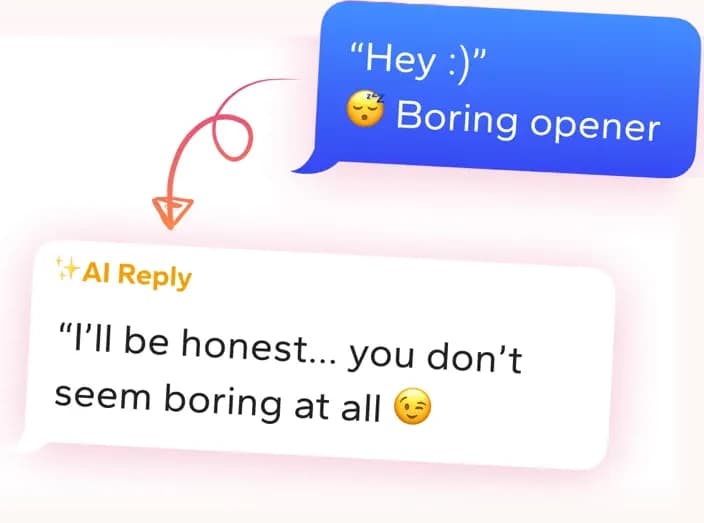
Get replies that sound like you
Screenshot the conversation in WingAI. It reads the vibe and gives you natural replies for this exact situation.
Try for freeRizz AI Screenshot the chat and get the next message for this person.
The silence is information, not a mistake
Two weeks of nothing followed by acting normal is a choice, not an accident or a phone dying. When they show up in person like it didn't happen, they're communicating that disappearing has no cost with you. This is how ghosting becomes a pattern. They're not confused about whether you existed during those weeks. They're testing whether you'll let it slide.
Pay attention to how they close the gap in person. Do they acknowledge it first, or do they just start talking like nothing happened? If they jump straight back into casual conversation without mentioning the absence, that tells you they believe they can ghost and return without consequence. Your reply is your chance to change that expectation.
Name the gap without asking for permission
A good reply acknowledges the silence directly but keeps it factual. You're not asking for an explanation or demanding one. You're stating that it happened and that you noticed. This puts them in a position to either own it, explain it, or stay away. The move is to reference the time that passed in a way that's light enough that you don't sound resentful, but real enough that they can't pretend you're overreacting.
Avoid softening language like 'I guess you've been busy' or 'I figured you needed space.' Those phrases give them an exit and let them off the hook. Be straightforward about what happened. Then move forward by asking what's next or leaving the ball in their court. If they want to re-engage, they'll have to meet you somewhere that shows they get it.
Send it the same day you see them in person
The moment matters. If you reply hours after seeing them in person, it looks like you've been sitting with it and thinking about how to respond. That's playing their game. Send something the same day, ideally while you're still fresh from the conversation. This shows you're not fixated and you're not performing hurt. You're just matching their energy while being honest.
If they don't reply after you name the gap, accept it. Some people ghost because they can't handle direct communication. Sending follow-ups or checking in again just extends a pattern that's already clear. One message that reflects reality is enough. After that, move on unless they show up again. And if they do, the same rule applies. Address it once, then stop.
Why these replies fail
“Hey! Long time no talk. How've you been?”
This acts like nothing happened and rewrites the story as just normal time passing, not ghosting. You're giving them permission to ignore the silence.
“So I guess you decided to just disappear on me without explanation? That's cool.”
Sarcasm and accusation make you sound hurt and reactive, which gives them the upper hand and makes them defensive instead of reflective.
“Hey stranger! Feels like forever since we talked. Miss me?”
Flirty and forgiving tone signals you're ready to pretend the disappearance didn't matter, so they'll know they can do it again with no friction.
Common mistakes
- Acting totally normal back. Pretending the silence didn't happen trains them to do it again.
- Asking accusatory questions like 'Why did you ghost me?' Makes you sound wounded and gives them narrative control.
- Over-explaining why you're bringing it up. Short and factual is stronger than defensive.
- Sending a long message after the silence. Keep it brief to show you're not desperate for a response.
- Waiting too long to address it. Reply soon after you see them in person, while it's fresh.
Questions people ask
- Should I bring up the ghosting in person or wait and text?
- Text it after you've seen them in person. In-person confrontation feels heavier and puts you both on the spot. A text gives you control over your words and gives them space to sit with what you said before responding.
- What if they claim they didn't ghost, they were just busy?
- You can acknowledge that without accepting it as a full excuse. A two-week silence without one message is a choice, not a consequence of being busy. You can say something like 'Cool, but a quick message takes a second.' Then see if they change behavior or do it again.
- Is it bad to ask them directly why they disappeared?
- Direct 'why' questions often get deflected or turn into arguments. Stating the fact that they went silent and seeing how they respond is stronger. If they want to explain, they can. If they just return to normal interaction, you have your answer.
- How many times should I let this happen before I stop responding?
- Once is enough to know how they operate. After your first reply that names the gap, if they ghost again, don't re-engage. Repeating a response to the same pattern just teaches them you'll keep accepting it. One cycle of ghosting and return is information. The second time is them telling you this is how they date.
What people say after using WingAI
“I overthink every text. Having three options and picking the one that sounds like me cut that spiral short.”
Sam R.
“I was skeptical at first. Then I tried it on a dry chat and the replies actually sounded like me, not a chatbot.”
Mazoonx
“She went cold mid-week and I had no idea what to say. The reply I sent felt natural and she picked the chat back up.”
Marcus T.
Get replies that sound like you
Screenshot the conversation in WingAI. It reads the vibe and gives you natural replies for this exact situation.
Try for free