How to reply to 'it's a long story' on text
Someone texts 'it's a long story' and you're not sure what to say. Here's how to reply without pressure, read their response, and leave room for them to open up
When a person types 'it's a long story,' they have usually already run the whole thing through their head and stalled at the first sentence. The story might be embarrassing, painful, or just tangled enough that every version they draft sounds worse than the real one. Sometimes it is nothing heavier than a tired Tuesday and no appetite for a recap. Either way, they have handed you a small test, whether they meant to or not: will you push, shrug, or make room?
Your aim is to leave them feeling lighter after reading your message, not interrogated. That means treating the phrase as a real piece of information about their state rather than a hook to be yanked. A reply that sounds curious and unhurried tells them the story can arrive on their schedule. A reply that sounds hungry for details makes them weigh whether sharing is worth the performance.
Text is a strange place for this moment. There is no face to read, no tone of voice, and a typed question mark can land colder than you intended. Because they chose not to explain in writing, the medium itself is part of their hesitation, so pressing them to type it all out works against them. Timing matters too. A reply that lands within a few hours reads as attentive. One that arrives a minute later can feel like you were hovering, and one that arrives two days later can feel like indifference.
What tends to backfire is anything that treats their reluctance as a puzzle to solve. Jokey demands for gossip turn a private thing into entertainment. Vague check-ins like a bare question about whether they are okay give them nothing to grab onto, so they usually answer with a single word and the thread dies. Sulking or acting wounded at being left out does the most damage, because it hands them a second problem to manage on top of the first. Suggesting a meetup or a call before you know the person well also backfires, since it converts a light exchange into an obligation.
Reading their response is mostly about energy, not content. If they answer quickly and add a sentence or two of context, the door is open and you can follow their lead. If they reply with a short deflection, take it at face value and change the subject without ceremony. Silence is not rejection, only a pause, and a second nudge turns that pause into a retreat. Pay attention to whether they bring it up again unprompted days later, because that is the clearest sign the story was waiting for a safe moment, and you were the one who left it safe.
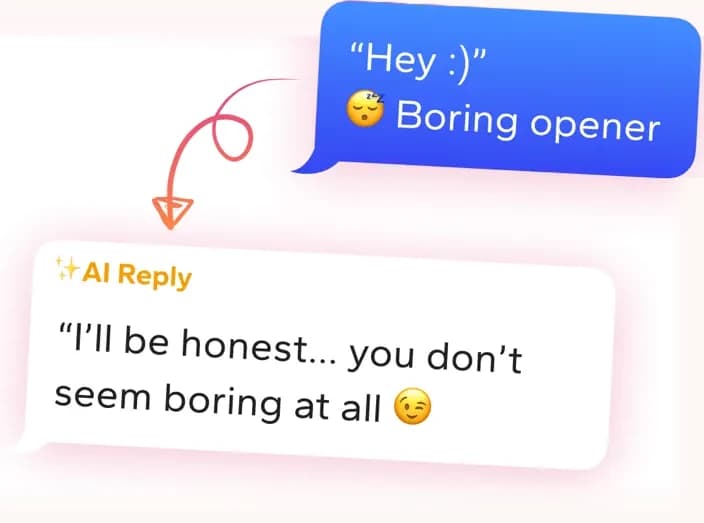
Get replies that sound like you
Screenshot the conversation in WingAI. It reads the vibe and gives you natural replies for this exact situation.
Try for freeWhy these don't work
“OK spill LOL I need the drama”
It treats their hesitation as a game and asks them to perform a story for your amusement, which makes a cautious person clam up.
“You good though?”
It is so vague that the easiest answer is a one-word yes, and the half-opened door shuts before anything real can come through.
“That's fine, we can talk about it never then”
It punishes them for setting a quiet boundary and leaves them managing your hurt feelings instead of deciding whether to trust you.
Read the mood before you reply
Scroll up before you type anything. Was the conversation breezy until this line, or did their messages get shorter and flatter a few exchanges earlier? A sudden 'long story' in the middle of a playful chat usually means a funny or awkward backstory they would love to tell aloud. The same phrase after a run of clipped replies points to something heavier. Your tone should match the room, not the one you wish you were in. If things were light, a warm and easy reply fits. If they seemed off, drop the playfulness and keep it plain and kind. Getting this wrong is the main reason otherwise decent replies come across as tone deaf.
Keep the invitation low stakes
The reply that works leaves the whole thing optional. Telling them you are glad to hear it whenever they feel like sharing hands over control without asking for anything. Avoid proposing a specific time, a call, or a meetup, especially if you have not known them long. Any of those turns a casual hint into a scheduling question and makes declining feel rude. Let them choose the medium and the moment. Some people will offer a call themselves once they feel safe, and that offer means far more coming from them than it would coming from you. Your message should read as if you have all the patience in the world, because you do.
When the story never arrives
Some long stories stay untold, and that is a fine outcome. If a day or two passes and they have moved on to other topics, follow them there without a trace of disappointment. Circling back with a casual 'so, about that story' sounds like you kept score. They noticed the open door and chose not to walk through it yet. If they ever do bring it up, listen first and resist the urge to fix, rank it against your own mess, or ask for the juicy parts. Respond to how it felt for them, not to how it plays as a narrative. Being trusted with it later is the payoff for not demanding it now.
Pitfalls to avoid
- Replying within seconds with a flood of questions, which makes a hesitant person feel cornered before they have decided how much to share.
- Treating a heavy-sounding 'long story' with the same joking tone you would use for a funny one, because you did not check how the earlier messages felt.
- Following up a day later to ask again, which converts a patient invitation into a demand and teaches them that mentioning anything personal comes with a chase.
People also ask
- What do I say when someone texts 'it's a long story'?
- Acknowledge it, take the pressure off, and stay warm. Tell them you would like to hear it whenever they feel like sharing, in your own words and at your own pace. Skip demands for details and skip jokes about drama. The goal is to make telling you feel optional and safe.
- Should I ask them to call me instead of texting?
- Usually not, unless you already talk on the phone easily. For a newer connection, a call request can feel like an obligation dressed up as kindness. Let them pick the format. If a call suits them, they will often suggest it once they feel comfortable.
- How long should I wait before following up if they go quiet?
- Give it at least two or three days, and ideally send nothing at all. Your first reply already opened the door. A second message asking again tends to read as impatience and can make them feel guilty for not delivering. Let the conversation resume on its own terms.
- Is it okay to say I'm curious about what happened?
- Yes, as long as the curiosity is aimed at them rather than at the gossip. Saying you would like to hear it when they are ready is honest and gentle. Saying you need to know, or that you are dying for details, shifts the pressure onto them.
It doesn't sound like a bot
“I overthink every text. Having three options and picking the one that sounds like me cut that spiral short.”
Sam R.
“She went cold mid-week and I had no idea what to say. The reply I sent felt natural and she picked the chat back up.”
Marcus T.
“I was skeptical at first. Then I tried it on a dry chat and the replies actually sounded like me, not a chatbot.”
Mazoonx
Get replies that sound like you
Screenshot the conversation in WingAI. It reads the vibe and gives you natural replies for this exact situation.
Try for free