How to move on after someone ghosts you
Ghosting hurts. Here's how to process it, stop waiting, and actually move forward without sending desperate messages.
Ghosting is a specific kind of rejection. Someone you were talking to just stops replying. No explanation, no slow fade, just silence. The worst part is your brain keeps inventing reasons: they're busy, their phone died, they'll come back. They won't.
The urge to text them again is real. You want closure, or proof they're alive, or one more chance to say something clever. Don't do it. A good response to ghosting isn't a response at all. It's accepting the silence as the answer and redirecting your energy somewhere it matters.
This page is about what moving on actually looks like in practice. Not feeling better overnight. Just the concrete steps that stop you from staying stuck.
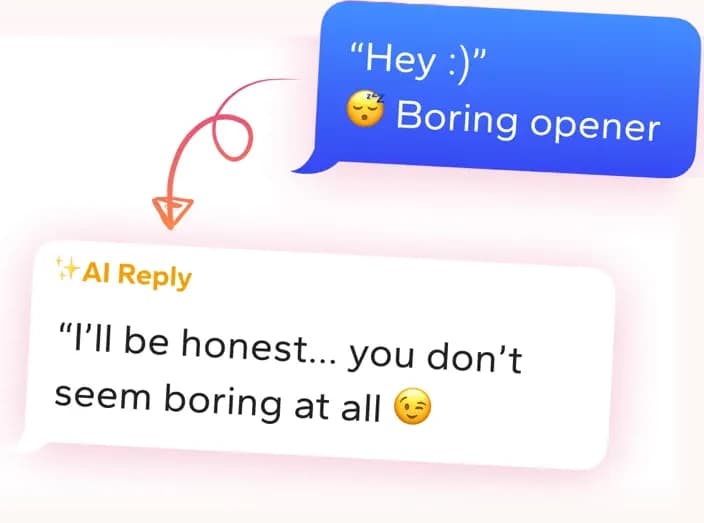
Get replies that sound like you
Screenshot the conversation in WingAI. It reads the vibe and gives you natural replies for this exact situation.
Try for freeRizz AI Screenshot the chat and get the next message for this person.
Silence after three days means it's over
If someone stops replying and doesn't respond to a single message within 72 hours, they're not coming back. Not because they're hurt. Not because they need space. Because they don't want to text you. People make time for people they want to see. They reply to messages they care about. The silence isn't accidental. It's intentional, even if they won't say it out loud.
This is hard because it feels incomplete. Your brain expects a conversation to end with closure. Ghosting doesn't give you that. You have to provide it yourself. The diagnosis is simple: they've moved on. Your job is to do the same.
One message, then radio silence
A good response to ghosting is exactly one follow-up message, sent without anger or blame. Something light and straightforward, not desperate. Then you stop. You don't send another text in two weeks. You don't like their Instagram post. You don't manufacture a reason to reach out. You're done.
That one message serves one purpose: it removes any doubt that you might have disappeared or been rude. After that, the ball stays in their court forever. If they come back after a month, they come back. You don't chase it. This move protects you because it erases the possibility of you being the one who didn't try hard enough. You tried. They ghosted. That's the whole story.
Delete the conversation after one week
Seven days. That's how long you give yourself to sit with it. After that, delete the conversation thread. Not the person from your phone. Not their number. Just the chat history. Gone.
This sounds extreme because you're afraid you'll forget them or lose something important. You won't. You're losing access to the ability to re-read their messages, reanalyze their tone, and convince yourself they might still care. Deleting it is the move that forces you forward. When the text thread is gone, your brain stops spinning on it. You stop checking for patterns. You stop hoping. You just move to the next match.
Why these replies fail
“Hey, I'm not sure what I did wrong. Did I say something that upset you? I'm sorry if I did.”
This makes you look needy and shifts blame onto yourself, even though they're the one who disappeared without explanation.
“Cool, well whenever you get around to it I guess. No rush.”
Passive aggressive messages that try to shame them into replying don't work and just make you look bitter.
“I saw you were active on [app] two hours ago so I know you're ignoring me. Have some respect.”
Calling out their activity proves you're checking on them, which shows obsession and pushes them away harder.
Common mistakes
- Sending a follow-up message a few days later, hoping they'll suddenly reply
- Crafting a long message explaining why they should want to text you back
- Checking their social media to see if they're active elsewhere
- Waiting past one week before admitting they're not coming back
- Sending angry or guilt-tripping messages that burn the bridge permanently
Questions people ask
- Should I send one last message explaining how they hurt me?
- No. They know they ghosted you. A long message won't change their mind or get them to respond. It just gives them proof you're upset and thinking about them. Write it if you need to, but don't send it. Delete it after.
- What if they message me back weeks later like nothing happened?
- You don't owe them your time. If you want to reply, keep it short and light. Don't let them back in without acknowledging the disappearing act. If you'd rather not engage, you're allowed to ignore them. Ghosting goes both ways.
- How do I know if I should give them a second chance if they come back?
- Ask yourself: would someone who actually cared have ghosted me? The answer is no. People who want to be with you find a way to stay in your life. If they're only reaching out because they're bored or hungry for attention, don't take the bait.
- Is there any text I can send that will make them want to reply?
- No. Their silence is the reply. No message you send will change the fact that they chose not to text you back. Stop looking for magic words. The right person won't require you to be clever or witty enough to earn a response. They'll just reply.
What people say after using WingAI
“I was skeptical at first. Then I tried it on a dry chat and the replies actually sounded like me, not a chatbot.”
Mazoonx
“She went cold mid-week and I had no idea what to say. The reply I sent felt natural and she picked the chat back up.”
Marcus T.
“I overthink every text. Having three options and picking the one that sounds like me cut that spiral short.”
Sam R.
Get replies that sound like you
Screenshot the conversation in WingAI. It reads the vibe and gives you natural replies for this exact situation.
Try for free