Slow fade vs losing interest: how to tell the difference
Learn to read the signs between someone slowly pulling away and actually losing interest. Know what each pattern means and how to respond.
Slow fade and losing interest look similar on the surface, but they're different situations that need different replies. Slow fade is when someone stays in touch but with less energy, longer gaps, shorter messages, and fewer specific details. They're still there, just. Less there. Losing interest is when they were engaged and suddenly aren't. The drop is steeper. They stop asking questions. Plans fall through.
The difference matters because slow fade often means they're conflicted, distracted, or keeping you on the back burner. Losing interest means they've made a decision. Your reply needs to either gently close the loop or create enough friction that they either re-engage or you both move on. A good reply here doesn't chase, doesn't guilt, and doesn't pretend you didn't notice the shift.
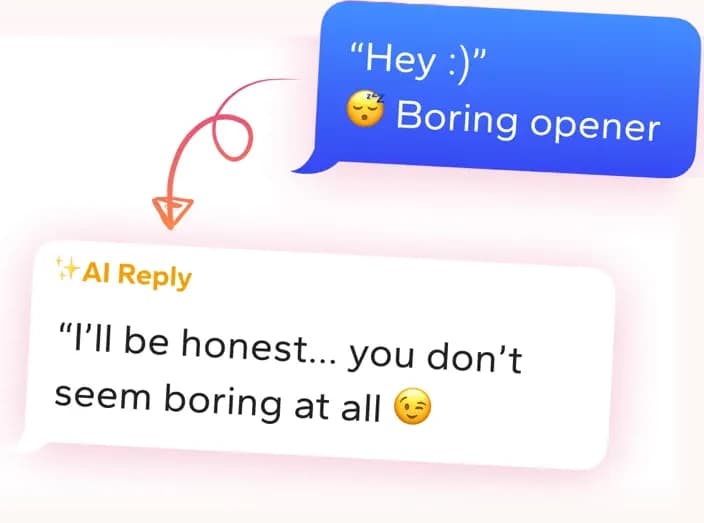
Get replies that sound like you
Screenshot the conversation in WingAI. It reads the vibe and gives you natural replies for this exact situation.
Try for freeRizz AI Screenshot the chat and get the next message for this person.
The gap size and message length tell different stories
Slow fade shows up as a pattern. Replies come back but after 6-12 hours instead of 20 minutes. Messages get shorter. They still ask a question sometimes, but less often. They might respond to your stories but not your texts. There's consistency to the lag.
Losing interest is sharper. A person who was texting you daily suddenly takes 24-48 hours. Or they reply once and then go silent for a week. The drop has a cliff. One-word replies when they used to write full sentences. No questions back. No plans made, no future mentioned. If someone was building momentum with you and it stops, they've decided. Slow fade is a dimmer. Losing interest is a switch.
Your reply has to create a clear choice for them
Don't pretend nothing changed. But also don't make it a confrontation. The goal is to send a message that either gets them to re-engage or makes it obvious they won't. A good reply here acknowledges the shift without accusation, says something real and specific that requires a real answer, and leaves them space to either step back in or stay gone. You're essentially asking: are you in or out? Not with those words, but with a text that can't be answered with 'haha yeah.' Avoid anything that lets them coast or half-respond. If they come back with effort and specificity, you know. If they send a lazy reply or nothing at all, you know that too.
Wait three days, then one more attempt, then move on
If they sent a low-energy message, take your time replying. Give it 24 hours minimum. Send your reply during the day when they're likely to see it and respond quickly if they want to. Then wait three days. If nothing comes back or you get another one-word reply, send one last message. Something that takes real effort to ignore. Then wait another three days. After that, stop. Don't check their story. Don't think about it. If they come back after going silent, that's on them to rebuild it. You're not being mean, you're just not available to people who won't show up.
Why these replies fail
“Hey! I feel like things have been kind of off between us lately and I'm not sure what I did wrong. Did I say something that bothered you?”
It's self-flagellating and puts them in the uncomfortable position of either having to reassure you or confirm they're pulling away, which they'll avoid by not replying.
“cool cool cool no worries if you're busy”
Matching their low energy signals you're fine with fading too and gives them zero reason to step back in or clarify anything.
“So I know you've been less responsive and I'm wondering if you still want to keep talking or if you'd rather we both move on and find people who can actually invest the time.”
It sounds reasonable but it's actually confrontational and backs them into a corner, making them defensive or just disappear instead of honest.
Common mistakes
- Calling out the fade directly or asking 'are you losing interest?' makes them defensive and speeds up the exit
- Matching their low energy with your own reply signals you're fading too and gives them permission to disappear
- Sending a wall of text or over-explaining yourself reads as anxiety and pushes them further away
- Waiting weeks for them to text first lets the connection actually die instead of testing if it can recover
- Replying only when they reach out traps you in a cycle where you have no control over the pace
Questions people ask
- Is slow fade ever a good sign?
- Not really. It usually means they're keeping you available while their attention is elsewhere. Sometimes it's because they're seeing someone else, sometimes they're just not that into it but hate the awkwardness of ending it. Either way, slow fade is not a path to a real relationship.
- How long of a gap counts as losing interest?
- Context matters, but if someone who was responding quickly suddenly takes 24-48 hours, that's a shift. Pay more attention to the change in their pattern than any fixed number. A person who always takes a few hours to reply isn't the same as someone who suddenly went dark.
- Should I bring up the fade directly or just let it die?
- Don't bring it up as an accusation. But don't silently accept it either. Send a message that's real enough that they have to actually engage with it, not just scroll past. This gives both of you a chance to be honest without making it awkward.
- What if they're just stressed or busy at work?
- People who like you text back when they have five minutes. Busy is not the same as fading. If someone is really overwhelmed, they'll usually say 'hey, things are crazy right now but I'm thinking of you' or something real. Saying nothing and going quiet is a choice.
What people say after using WingAI
“I was skeptical at first. Then I tried it on a dry chat and the replies actually sounded like me, not a chatbot.”
Mazoonx
“I overthink every text. Having three options and picking the one that sounds like me cut that spiral short.”
Sam R.
“My openers used to be boring. Now I reference something from her profile and people actually write back.”
Aiden K.
Get replies that sound like you
Screenshot the conversation in WingAI. It reads the vibe and gives you natural replies for this exact situation.
Try for free