How to end a talking stage and move forward
Ready to end a talking stage? Learn how to propose a specific date, set a clear decision point, and move on if they stall, without drama or mixed messages.
A talking stage lingers because it costs the other person almost nothing. They get steady attention, a bit of flirting, and a sense of being wanted, and nobody asks them to rearrange a Saturday. That comfort is easy to mistake for interest. Someone can enjoy your messages sincerely and still have no plan to sit across a table from you. Some people also stall because they feel torn, or because their last relationship left them cautious, but the effect on you is the same. You are the one holding the uncertainty.
What you are after is an answer, not a better conversation. Ending a talking stage cleanly means giving them one concrete chance to turn the texting into a real date, with a day, a place, and a time, and treating whatever they do with it as the result. If they say yes or counter with their own plan, you have a date. If they dodge, you have your answer, and you can step back without wondering what might have happened if you had waited another month.
Timing and medium matter more than people expect. A message sent while you are annoyed will read as an ultimatum, and a message sent at midnight will land in the same slot as every other idle chat. Pick a calm afternoon or early evening, ideally right after they have texted you, so you are replying to warmth rather than interrupting silence. Keep it in the same channel you have been using. Switching to a call or a long voice note makes the moment heavier than it needs to be and hands them a reason to feel cornered.
The usual way this backfires is softening. People wrap the proposal in apologies, add that there is no rush, or phrase it as a question about whether they would maybe like to meet. Each cushion gives the other person room to answer with enthusiasm and no commitment. The other common backfire is the opposite: a speech about how they have wasted your time. That turns a clean line into an argument, and you end up defending your tone instead of getting your answer.
Reading the response is mostly a matter of specifics. A real yes contains a day or a counter-suggestion. Warm words with no logistics, such as how much they would love that, followed by nothing, are a polite no that has not been said out loud. Excuses that come with an alternative date deserve a fair hearing. Excuses that come with fog do not. If you get a reply that keeps things open but names nothing, you are allowed to treat it as closed. One reasonable nudge is fair. After that, silence on your end is the kindest and clearest message left to send.
Check the pattern before you act
Before sending anything, look back over the last few weeks. Count the plans that were floated and the ones that happened. One cancelled coffee with a real reason and a rescheduled date is ordinary life. Several vague maybes, texts that cluster late at night, and enthusiasm that never turns into a calendar entry describe a different situation. Notice who starts the conversations and who proposes meeting. If every first move comes from you, you already know something. This check is not about building a case against them. It stops you from sending a firm message to someone who has just had a terrible month, and it stops you from excusing someone who has had the same month for ten weeks.
Propose a plan with edges
A proposal works when it has edges: a day, a rough time, and a place that is easy for both of you. Choose something low stakes like a coffee or a drink so a yes costs them little. Name the day within the next week or so, because a date three weeks out is another form of postponing. Then say plainly that you are looking to meet in person and that you would rather stop texting back and forth without it. State that as your position, not as a request for permission. This leaves them room to counter with a different time, which is a good sign, while leaving no room to answer with a warm shrug.
Decide what counts as an answer
Settle your own decision point before you hit send, because it is much harder to set after you have been charmed back in. Decide how long you will wait, and what reply you will treat as a yes. A named day, a counteroffer, or an honest no all qualify. A compliment with no logistics does not. Decide too what you will do with a maybe, ideally one clear follow-up and then a stop. Write the plan down if you need to. People tend to move the line when they are lonely or flattered, and a line you set in advance is harder to quietly erase.
Get replies that sound like you
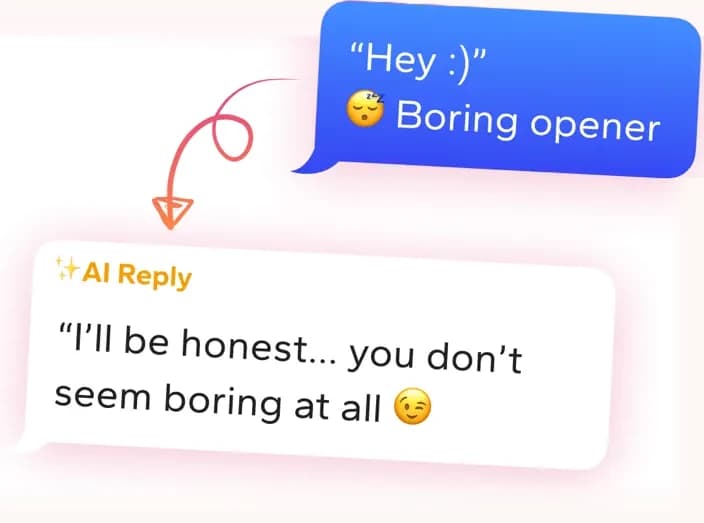
Screenshot the conversation in WingAI. It reads the vibe and gives you natural replies for this exact situation.
Try for freeWhy these replies fail
“I really enjoy talking to you, but maybe we could hang out sometime if you feel like it? No pressure at all.”
It proposes nothing specific and tells them a no is fine, so a month of cheerful texting can continue without a date.
“I'm tired of wasting my time on someone who won't commit, so I'm done talking to you.”
It blames them before they have had a chance to answer, which turns a clear request into a fight and teaches you nothing about their real interest.
“It seems like you don't really want to meet, so I guess we should stop. Text me if that changes though.”
It opens with an accusation and then leaves the door open, so you are ending things and waiting by the phone in the same message.
Questions people ask
- Should I send this by text or call them first?
- Text is the better choice. A call can feel dramatic and gives them time to prepare a vague answer on the spot. A written message lets them respond thoughtfully and leaves a record of what each of you said. Call only if phone conversations are already a normal part of how you two talk.
- What if they say they are busy but want to meet later?
- Ask them to name a specific day. Busy people still schedule things for someone they like, so a real answer comes with a date or a counteroffer. If all you get is soon or when things calm down, treat that as a no and stop investing in the conversation.
- Is it rude to stop replying if they ignore my message?
- No. You asked a clear question and they chose not to answer it. You do not owe continued attention to someone who has gone quiet at the exact moment you asked for something real. If they come back later with an actual plan, you can decide then how you feel.
- What if we have been talking for months and I am afraid to end it?
- That fear is common, and it grows the longer you wait. Months of conversation without a single date is a result in itself. One honest message costs a little discomfort now, while staying costs you more time and more hope. Ending it frees you up for someone who will show up.
Common mistakes
- Sending the message while you are annoyed or after a cancelled plan, which makes a clear request read like a punishment.
- Adding apologies and reassurances so the proposal sounds optional, giving them an easy way to say yes warmly and never follow through.
- Continuing to chat normally while you wait for an answer, which tells them the talking stage is still running and nothing has changed.
What users say
“I was skeptical at first. Then I tried it on a dry chat and the replies actually sounded like me, not a chatbot.”
Mazoonx
“I overthink every text. Having three options and picking the one that sounds like me cut that spiral short.”
Sam R.
Get replies that sound like you
Screenshot the conversation in WingAI. It reads the vibe and gives you natural replies for this exact situation.
Try for free