How to approach a girl in Xhosa and get a real response
Learn to open in Xhosa with respect and cultural awareness. Practical moves that work whether online or in person.
Approaching a girl in Xhosa carries weight. It signals you see her culture and aren't just throwing a generic line at her. The language choice matters because it shows effort, not laziness. But effort alone fails if the approach itself is unclear or makes her uncomfortable.
A good opening in Xhosa does two things at once. It proves you know the language and context well enough not to sound like a tourist. It also gives her a clear reason to reply. A real question or observation beats a compliment about her appearance or a stalling tactic.
The timing and follow-up change depending on where you're approaching her. Online, you have more room to be thoughtful. In person, speed and reading her body language matter more. Either way, silence after your first message tells you something specific, and pushing harder usually backfires.
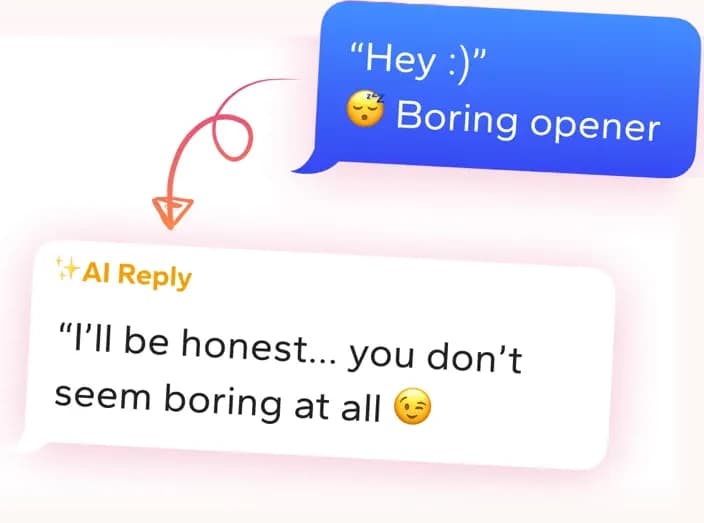
Get replies that sound like you
Screenshot the conversation in WingAI. It reads the vibe and gives you natural replies for this exact situation.
Try for freeRizz AI Screenshot the chat and get the next message for this person.
What her silence or short replies signal in Xhosa
If a girl doesn't reply to an opening in Xhosa, she probably didn't feel the need to engage. The message may have come across as trying too hard, or she doesn't use that language regularly and felt put on the spot. Xhosa is personal. A message in Xhosa carries more social weight than a generic English opener, so her response (or lack of one) is a clear signal.
A one-word reply in Xhosa after a full message from you means she is being polite but not inviting further conversation. A longer reply with questions means she saw effort in your approach and wants to know more. Read the length and effort she matches, not just whether she replied at all.
The opening has to prove fluency and ask something real
Your first message in Xhosa must show you actually speak it, not that you Googled a phrase. Fluency doesn't mean perfect grammar. It means natural phrasing, correct tone, and understanding the cultural context of what you're saying. Use a greeting that fits the time of day and your relationship level. Then ask something specific about her profile, a shared connection, or something you noticed that gives her a clear topic to reply to.
The best move is to combine a cultural reference or observation in Xhosa with a question in English, or to keep the whole thing short and natural in Xhosa. Avoid anything that reads like you're testing her or making her language a centerpiece. The language choice should feel like the obvious way to talk, not a performance.
Send early in the day and don't send a second message for five days
Send your opening message between 9am and 3pm on a weekday, when people check their phones during breaks. If she doesn't reply within 24 hours, wait five full days before sending anything else. This sounds long, but it works. If she saw your message and chose not to reply, a second message the next day reads as needy and makes her less likely to engage later.
After five days, one follow-up message is fair. Keep it brief and don't mention that she didn't reply. If that gets no response, stop. Three days of silence after a second message means she is not interested. Pushing further wastes your time and creates an uncomfortable dynamic, especially in a language and culture where directness about rejection is valued.
Why these replies fail
“Hey beautiful, ndine umnandi umnandi 'ndoda. How are you?”
Complimenting her looks in Xhosa feels more aggressive than in English, and the broken grammar makes it read like you are showing off rather than communicating naturally.
“Molo sisi, I really want to know you. Can we chat?”
Switching languages mid-message signals the Xhosa greeting was just a tactic, and asking to 'chat' is too vague to spark a real reply.
“Uxolo, I'm still learning Xhosa but I wanted to say hello in your language. Hope I didn't mess up!”
Over-explaining your language skills puts the focus entirely on you and makes her job to respond about managing your expectations, not about connecting.
Common mistakes
- Opening with only 'Ayoba' or 'Hey' in Xhosa, then switching to English. This signals you used the language as a gimmick
- Complimenting her looks or body in Xhosa, which feels more forward and risky than the same compliment in English
- Using phrases you learned phonetically without understanding tone or context, landing awkwardly or offensively
- Waiting too long to follow up after an initial message, assuming silence means she is thinking about it
- Over-explaining why you know Xhosa, which puts the focus on you instead of on her and a shared connection
Questions people ask
- Should I open in Xhosa if I'm not a native speaker?
- Yes, if you speak it with real fluency and comfort. If you are still learning, open in English instead. A bad Xhosa opener is worse than no Xhosa opener. She will notice awkward phrasing, and it will make the conversation harder, not easier.
- What if she replies in English even though I opened in Xhosa?
- Match her language choice immediately. She is telling you what she is comfortable with. Staying in Xhosa after she switched to English signals you are not listening or that you care more about your own language choice than the actual conversation.
- Is approaching in person different from approaching online in Xhosa?
- Yes. In person, keep the opening simple and brief. A full sentence in Xhosa is enough. Watch her body language. If she seems uncomfortable or doesn't engage, stop. Online, you can write a longer message with more context, but it still needs to ask her something specific.
- How do I know if I'm being disrespectful with my language choice?
- Ask yourself if you would say the same thing to a friend or family member in Xhosa. If it sounds unnatural or like you are performing, it will land badly. Xhosa is direct about respect. Use the right greeting for her age and your connection level, avoid slang you don't own, and don't make the language about you.
What people say after using WingAI
“I was skeptical at first. Then I tried it on a dry chat and the replies actually sounded like me, not a chatbot.”
Mazoonx
“I overthink every text. Having three options and picking the one that sounds like me cut that spiral short.”
Sam R.
“Didn't think it would be this good. The funny options actually get responses, which is wild.”
Nico_dang
Get replies that sound like you
Screenshot the conversation in WingAI. It reads the vibe and gives you natural replies for this exact situation.
Try for free