How often to text your partner during the day
Find the right texting frequency for your relationship. Learn what consistent contact actually means and when to pull back.
Most people overthink this. The real question isn't a number. It's whether you're both getting what you need from contact without one person feeling neglected or smothered.
In early relationships, frequent texting builds momentum and shows interest. Once you're established, the rhythm shifts. You might text less often but with more substance. What matters is that both of you feel connected and neither person feels like they're chasing.
Texting patterns also depend on life. Busy days at work look different than weekends. If one of you travels or has irregular hours, that changes things too. The goal is predictability, not perfection.
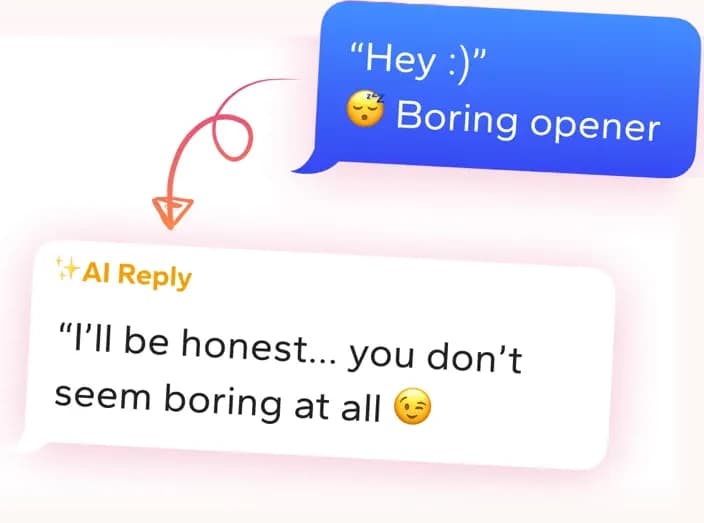
Get replies that sound like you
Screenshot the conversation in WingAI. It reads the vibe and gives you natural replies for this exact situation.
Try for freeRizz AI Screenshot the chat and get the next message for this person.
Early dating versus established relationships text differently
In the first few months, texting often signals you're interested and thinking about them. Daily contact is normal and expected. You're building familiarity and showing up consistently.
Once you're a few months in or longer, constant texting can actually feel like pressure. You've already proven interest. Now it's about quality. Some couples do well with a few solid exchanges daily. Others do better with longer stretches of no contact followed by real conversation. The shift happens naturally. Read whether they're matching your effort or pulling back.
What a good texting rhythm accomplishes for both people
A sustainable pattern does two things. First, it makes the person receiving texts feel remembered without feeling monitored. They know you're thinking about them without obligation to respond immediately to everything. Second, it preserves something to actually talk about when you see each other or call. If you've texted about everything all day, there's nothing left.
Good texting frequency also respects their actual life. If they work a job where they can't check their phone, hourly texts become stress. If they're introverted, constant pings might overwhelm them. Find the frequency that lets them engage on their terms.
When silence between texts doesn't mean something's wrong
Hours without texting back is normal. Especially during work, meetings, or focused time. Don't interpret a two hour gap as rejection. Someone valuing you doesn't mean responding within minutes.
Watch for patterns instead of single messages. Do they always get back to you within a few hours? Do they text you first sometimes? Do they actually engage when they do respond or just send one word? That tells you if they're interested, not the speed. If days pass without any contact and you're the only one initiating, that's different. But normal silence during daytime isn't a signal.
Why these replies fail
“Good morning beautiful, good afternoon beautiful, good evening beautiful, sweet dreams beautiful”
Repetitive templated messages feel like obligation rather than actual connection.
“Hey... you there? Hello? Did I do something wrong?”
Panic texting after a few hours of silence creates anxiety and makes them feel guilty for having a life outside your conversation.
“I'm not going to text you anymore since you're clearly too busy for me”
Punishing them with silence after you set an unsustainable texting pace puts the burden of managing your expectations on them.
Common mistakes
- Texting constantly to fill silence instead of letting conversation have shape and gaps
- Pulling way back after the first month because you think seeming busy makes you more attractive
- Matching their texting frequency exactly instead of finding your own rhythm that works for both of you
- Waiting for them to text first every time as a test of their interest
- Having no conversation outside of 'how was your day' repeated daily
Questions people ask
- Is it bad if we don't text every single day?
- No. Some couples thrive on daily texting, others naturally have gaps. If you see each other regularly or talk on the phone, daily texts aren't necessary. The pattern matters more than the frequency. As long as both of you feel connected and neither is always waiting, you're fine.
- What if I text way more than they do?
- That's a mismatch. Either match their frequency by sending fewer longer messages instead of constant ones, or talk about it directly. Say something like 'I notice I text more than you do. Does that feel like too much?' Some people are just less chatty. If it's a gap that bothers you, address it early.
- Should I always wait for them to text first?
- No. Waiting for them to initiate every time is a control move, not a sign of interest. Both of you should be texting first sometimes. If you never initiate and they never reach out, that's a sign they're not very interested. Take turns.
- How do I know if I'm texting too much?
- If you're the only one carrying the conversation, sending multiple messages before they reply, or texting about small things they haven't shown interest in, scale back. Watch their response time and engagement level. If they're short or slow to reply, they're signaling they need more space.
What people say after using WingAI
“I was skeptical at first. Then I tried it on a dry chat and the replies actually sounded like me, not a chatbot.”
Mazoonx
“I overthink every text. Having three options and picking the one that sounds like me cut that spiral short.”
Sam R.
“She went cold mid-week and I had no idea what to say. The reply I sent felt natural and she picked the chat back up.”
Marcus T.
Get replies that sound like you
Screenshot the conversation in WingAI. It reads the vibe and gives you natural replies for this exact situation.
Try for free