When to send a second text if she hasn't replied
Not sure how long to wait before sending a second text? Here is a timing guide for daytime, evening, and weekend silence, plus how to follow up without pressure
When a message sits unanswered, the person on the other end is rarely sitting there deciding how to punish you. More often they glanced at the notification while driving, in a meeting, or halfway through cooking, meant to answer later, and the thought slid away. Replying takes a small burst of attention, and some people save that for when they can give a proper answer. Others forget a message exists the moment the screen locks. Silence is ambiguous, and your brain will fill the gap with the worst story available.
Your goal here is modest. You are not trying to force a response or prove anything. You want to give the conversation one more easy opening, then step back and let their behavior tell you what they want. That means the follow-up should cost them nothing to answer. No guilt, no puzzle, no demand that they explain themselves. If they read it on a busy afternoon, it should feel light enough to reply to in ten seconds.
Timing depends on the setting. A message sent at lunchtime on a workday can reasonably get a nudge by early evening. Something sent at ten at night is different, because most people are winding down and won't answer until morning, so waiting for breakfast time is fair. Weekends stretch everything. People are out, offline, or asleep late, so a Saturday text may not get seen until the afternoon. If your first text asked about plans with a tentative time attached, the clock is a bit tighter, since the question has a deadline built in. A short, practical follow-up is reasonable once that window is close.
Most follow-ups backfire in predictable ways. Anything that points at the silence, like asking whether they saw the earlier message, forces the other person to defend themselves. Joking about being ignored puts them in the role of reassuring you. Stacking several messages within an hour turns a slow reply into a pile of pending obligations, and people avoid a pile. Even a polite check in carries an unspoken request for them to account for their time, which rarely makes anyone eager to write back.
Reading what comes next is mostly about pattern. A reply that arrives a day late but sounds warm and curious usually means life got in the way. A reply that is brief, flat, and ends without a question suggests lower interest, and you can match that energy instead of pushing against it. No reply at all after a second text is an answer too, a quiet one. You do not need to confirm it. Let it rest, keep your own plans moving, and if they come back later, respond like someone with a full week behind them.
Daytime text, no reply by evening
You sent something at noon and it is now dinnertime with nothing back. This is the most common version of the problem and also the easiest to handle. Most people check their phones in clusters, usually after work or during a break, so a quiet afternoon often means nothing. Give it until early evening, then send something that stands alone. Pick a topic from earlier in your chat, a small observation from your day, or a question that has nothing to do with the first text. Skip anything that mentions the gap. If they answer both messages at once, great. If they answer only the second, even better, because it means your first one simply got buried.
Late night message, morning silence
A text sent after ten o'clock deserves different math. The person may have been asleep, charging their phone in another room, or too tired to write anything thoughtful. Waiting until mid morning before following up respects that. If you reach out at seven on the dot, your second message lands in the same stretch of grogginess and commuting that swallowed the first. Aim for after the morning rush, when people tend to sit down with their phones. Keep the tone as relaxed as a text you might send a friend over coffee. A light, easy question works better than anything heavy at that hour.
When you asked about meeting up
A text proposing a tentative time creates a different kind of pressure, because the plan itself starts to expire. If you asked about Friday and it is already Thursday morning with no answer, a follow-up is practical, not needy. Make it about logistics. Offer a simple way out, such as saying you are happy to adjust if the timing is off. That gives them an easy path to reply whether they are keen or unsure. What you should avoid is turning it into a referendum on interest. Keep your own schedule flexible so you are not stranded, and make a backup plan so their silence does not decide your evening.
Why these replies fail
“Just checking you saw my message about Saturday, did the plan work?”
It reads like a demand for an answer and pins the delay on them, which makes a tentative plan feel like a deadline they are failing.
“Wow, left on read again, nice”
Sarcasm after only a few hours of quiet turns a harmless gap into an accusation and hands them a reason to stay away.
“Hello?? Are you ignoring me? Did I say something wrong?”
Three quick questions stacked together make a slow afternoon feel like a crisis and push them to answer the emotion instead of the conversation.
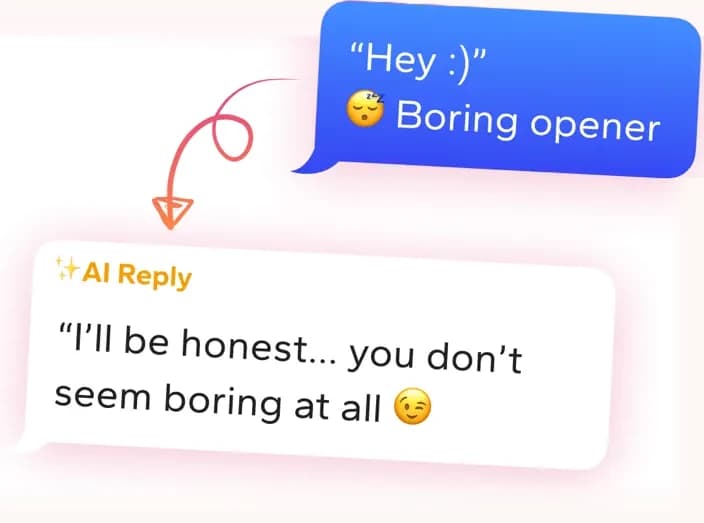
Get replies that sound like you
Screenshot the conversation in WingAI. It reads the vibe and gives you natural replies for this exact situation.
Try for freeQuestions people ask
- How long should I wait before sending a second text?
- Wait four to six hours during the day before following up. If you texted late at night, mid morning is a fair time. Give weekends a bit longer, since people are often away from their phones. Anything sooner starts to look like you are watching the screen.
- What if I asked about a time to meet and got no answer?
- Wait until the plan is close enough that clarity matters, then send one short, practical message. Offer flexibility so replying is easy. Do not mention the earlier text or ask whether they saw it. If they stay silent after that, make other plans without them.
- Is it fine to follow up if she hasn't replied in a day?
- Yes, after a full day one new message is reasonable. Make it light and unrelated to the silence, like something you noticed or a topic from earlier. Send only one. If a day passes again with nothing, treat it as your answer and move on.
- Should I double text at all, or just wait?
- One follow-up after a reasonable gap is fine and often welcome, since messages really do get lost. Sending several in a row is where it goes wrong. Space them out by hours, make the second one easy to answer, and then leave it alone.
What users say
“I was skeptical at first. Then I tried it on a dry chat and the replies actually sounded like me, not a chatbot.”
Mazoonx
“She went cold mid-week and I had no idea what to say. The reply I sent felt natural and she picked the chat back up.”
Marcus T.
Common mistakes
- Following up within an hour or two on a weekday, before the person has had a realistic chance to look at their phone.
- Referring back to the first message or asking if it was seen, which turns a casual nudge into a request for an explanation.
- Sending a third or fourth text after the second goes unanswered, hoping persistence will change the outcome instead of accepting the pattern.
Get replies that sound like you
Screenshot the conversation in WingAI. It reads the vibe and gives you natural replies for this exact situation.
Try for free